The history of Rioja:
The history of winemaking in Rioja can be traced back to the Roman times when the region was known for cultivating grapes for the production of wines. However, it was during the 19th century that Rioja truly began to gain recognition. The introduction of French winemaking techniques and the devastation of French vineyards by phylloxera led French winemakers to establish their presence in Rioja, further enhancing the quality and reputation of the region's wines.
The terroir of Rioja:
The Rioja wine region is situated in the Ebro Valley in northern Spain, encompassing the autonomous communities of La Rioja, Navarre, and the Basque Country. The region benefits from a unique microclimate, with the Ebro River acting as a natural barrier protecting the vineyards from extreme temperatures. The climate is a combination of Mediterranean and Atlantic influences, resulting in warm summers and mild winters.
The diverse terroir of Rioja contributes to the characteristic flavours of its wines. The region is divided into three sub-regions: Rioja Alta, Rioja Alavesa, and Rioja Oriental (previously known as Rioja Baja). Each sub-region has distinct soil types, elevations, and grape varieties, offering a range of flavour profiles and styles within the overall Rioja appellation.
Grape Varieties of Rioja:
Rioja wines are primarily made from three grape varieties: Tempranillo, Garnacha (Grenache), and Mazuelo (Carignan). Tempranillo is the star of the region, accounting for the majority of plantings and being the backbone of many Rioja wines. It offers elegant red fruit flavours, balanced acidity, and the ability to age gracefully.
Ageing and Classification of Rioja:
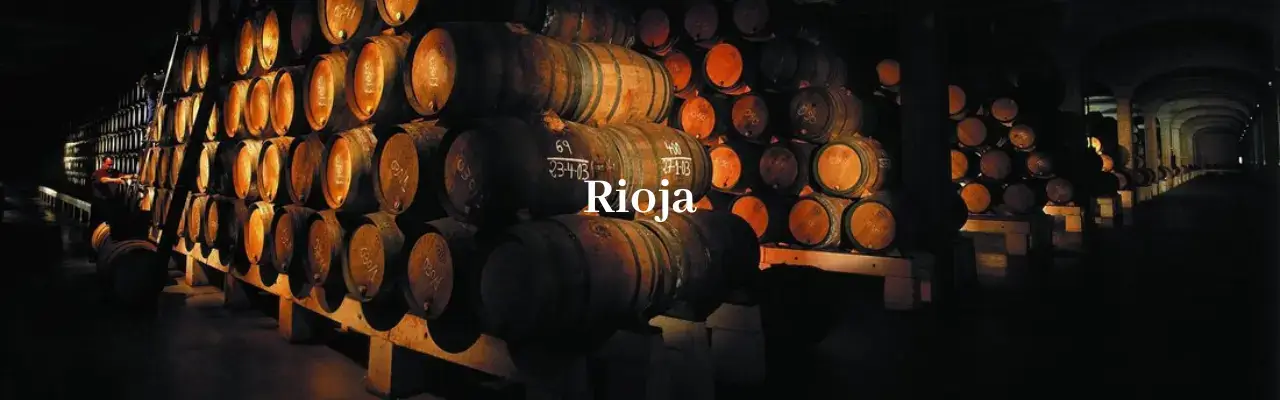
The Rioja ageing process is integral to the region's winemaking tradition, defining the quality and style of its wines.
Crianza wines undergo a minimum of two years of ageing, with at least one year in oak barrels.
Reserva wines are aged for a minimum of three years, with at least one year in oak.
Gran Reserva wines, the pinnacle of Rioja's offerings, are aged for a minimum of two years in oak and three years in the bottle, showcasing the region's commitment to producing wines of exceptional depth and complexity.
Modern vs Traditional Rioja:
Traditional and modern Rioja represent two different approaches to winemaking in the region.
Winemaking techniques in Rioja vary depending on the desired style of the wine. Traditional Rioja wines are aged for extended periods, sometimes up to several years, in oak barrels and then in the bottle. This extended ageing process allows the wines to develop complex aromas, smooth tannins, and a unique combination of fruit, spice, and oak characteristics. Traditional Rioja uses American oak which gives its trademark coconut and vanilla aromas.
In contrast, modern Rioja wines focus on expressing the fruit flavours and freshness of the grapes, with less time in oak and a more approachable style. Modern tends to favour using French oak which is more subtle than American oak. Both styles have their merits, offering consumers a diverse range of Rioja wines to suit their preferences.